


Address:
5044 Tennyson Rd, Suite B
Plano, TX 75024


Why PRK Co-Management Makes Recovery Easier
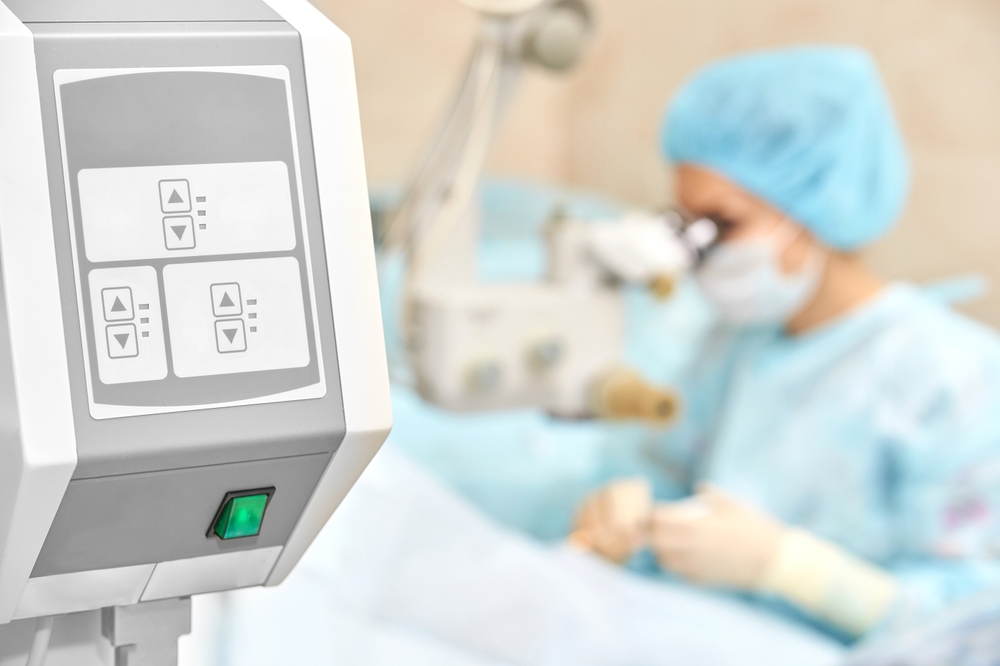
PRK can be a great vision correction option for patients who are not ideal candidates for LASIK, especially when corneal thickness or other factors make surface treatment a better fit. While PRK offers excellent long-term results, the recovery period is usually more gradual. That is why PRK co-management can make such a difference. With coordinated care before and after surgery, patients have clearer guidance, more convenient follow-up, and added peace of mind throughout the healing process.
PRK Recovery Takes Time
Unlike LASIK, PRK does not involve creating a corneal flap. Instead, the surface layer of the cornea is removed so the laser can reshape the tissue underneath. After the procedure, that outer layer needs time to heal. Vision may improve gradually, and some patients notice temporary fluctuations during recovery. Because healing is less immediate, regular follow-up care is an important part of the process.
What PRK Co-Management Means
PRK co-management means your care is shared between the surgical center and your primary eye doctor. The surgeon performs the procedure, while your optometrist helps manage pre-operative evaluations and post-operative visits. This team-based approach gives patients a more seamless experience. Rather than handling recovery alone, you have a local doctor helping monitor healing, answer questions, and communicate with the surgeon when needed.
Why Local Follow-Up Visits Matter
One of the biggest benefits of PRK co-management is convenience. Since recovery includes several check-ins, it helps to have follow-up appointments with a provider close to home. For patients, this can make the recovery process far less stressful. If you have questions about discomfort, medication use, healing progress, or vision changes, it is easier to get the support you need without unnecessary travel.
How Co-Management Helps Patients Feel More Confident
Recovery is not only physical - it is also about knowing what to expect. PRK co-management gives patients more confidence because they have consistent guidance at each stage. That includes help with post-operative instructions, bandage contact lens care, medication schedules, and knowing which symptoms are normal during healing. When patients feel informed, recovery often feels much more manageable.
Better Communication Between Providers
Another reason PRK co-management makes recovery easier is that it improves communication between the professionals involved in your care. Your optometrist and surgeon can work together to track healing and address any concerns quickly. This coordination helps reduce confusion, supports continuity of care, and keeps your treatment plan clear from beginning to end.
Benefits Patients Notice During Recovery
Patients often appreciate PRK co-management because it helps simplify the experience from surgery through healing.
- Clear instructions before and after surgery
- Convenient follow-up visits close to home
- Ongoing monitoring of healing and vision changes
- Faster answers to questions during recovery
- Better coordination between your optometrist and surgeon
Long-Term Results Start With Strong Aftercare
PRK is known for delivering lasting visual improvement, but a smooth recovery depends on careful follow-up. Co-management supports that process by making sure healing stays on track and concerns are addressed early. For many patients, having a trusted local eye doctor involved makes the entire experience feel more personal, convenient, and reassuring.
Contact Lone Star Vision in Plano, Texas at (972) 378-4104 to schedule your PRK consultation and recovery care.
Powered by
