


Address:
5044 Tennyson Rd, Suite B
Plano, TX 75024


Tips for Age-Related Macular Degeneration Prevention
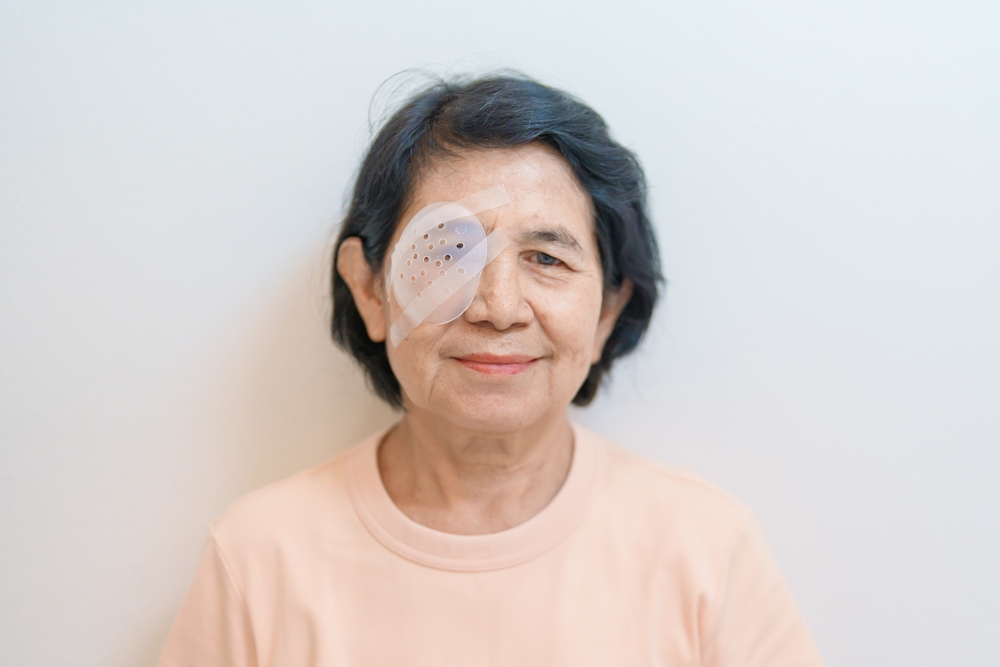
Age-related macular degeneration (AMD) is one of the leading causes of vision loss in adults over the age of 50. While AMD can significantly impact central vision and everyday activities like reading, driving, and recognizing faces, there are important steps you can take to protect your eyesight and reduce your risk. Understanding what AMD is, whether it can be prevented, and how routine eye exams play a role in early detection can make a meaningful difference in long-term eye health.
What Is Age-Related Macular Degeneration (AMD)?
Age-related macular degeneration is an eye condition that affects the macula, the central part of the retina responsible for sharp, detailed vision. As the macula deteriorates, central vision becomes blurred or distorted, while peripheral vision typically remains intact. AMD develops gradually and may not cause noticeable symptoms in its early stages, which is why regular eye exams are so important.
There are two main types of AMD: dry and wet. Dry AMD is more common and progresses slowly as the macula thins over time. Wet AMD is less common but more severe, occurring when abnormal blood vessels grow beneath the retina and leak fluid or blood, leading to faster vision loss.
Can Age-Related Macular Degeneration Be Prevented?
There is no guaranteed way to completely prevent AMD, but research shows that certain lifestyle choices and proactive eye care can significantly reduce your risk and slow its progression. Early detection is key - when AMD is identified in its earliest stages, treatment and monitoring can help preserve vision for as long as possible.
By taking steps to support overall eye health and working closely with your eye care provider, you can take control of the factors that are within your reach.
Tips to Protect Your Vision and Lower AMD Risk
One of the most effective ways to protect your vision is by maintaining a healthy lifestyle. A diet rich in leafy green vegetables, colorful fruits, fish high in omega-3 fatty acids, and whole grains provides nutrients that support retinal health. Vitamins such as lutein, zeaxanthin, vitamins C and E, and zinc have been shown to play a role in eye health, particularly for individuals at higher risk of AMD.
Protecting your eyes from ultraviolet (UV) light is another essential step. Wearing sunglasses that block 100% of UVA and UVB rays helps reduce cumulative sun damage to the eyes, which may contribute to macular degeneration over time.
Smoking is one of the strongest risk factors for AMD. If you smoke, quitting can significantly reduce your risk and improve overall eye health. Maintaining healthy blood pressure and cholesterol levels is also important, as cardiovascular health is closely linked to retinal health.
Limiting prolonged screen time, taking regular breaks, and ensuring proper lighting can help reduce eye strain, while staying physically active supports healthy circulation to the eyes.
The Importance of Routine Medical Eye Exams
Routine comprehensive eye exams are one of the most powerful tools for preventing vision loss from AMD. Many people with early-stage AMD have no symptoms, and changes to the macula can only be detected through a thorough dilated eye exam. Regular visits allow your eye doctor to monitor subtle changes, identify risk factors, and recommend preventive strategies or treatments when needed.
For adults over 50, especially those with a family history of AMD, routine eye exams are essential. Early detection not only protects vision but also provides peace of mind and personalized guidance for maintaining long-term eye health.
Stay Ahead of AMD with Lone Star Vision
While age-related macular degeneration cannot always be prevented, taking proactive steps can greatly reduce your risk and help preserve your vision. Healthy lifestyle choices, eye protection, and consistent medical eye exams all play a vital role in maintaining macular health as you age. Staying informed and proactive today can make a lasting difference for your eyesight tomorrow.
Schedule your next eye exam at Lone Star Vision to protect your eyesight from AMD. Visit our office in Plano or Celina, Texas. Please call (972) 378-4104 or (972) 382-2020 to book an appointment today.
Powered by
