

Address:
5044 Tennyson Rd, Suite B
Plano, TX 75024


How OptiLight Helps Patients With Ocular Rosacea
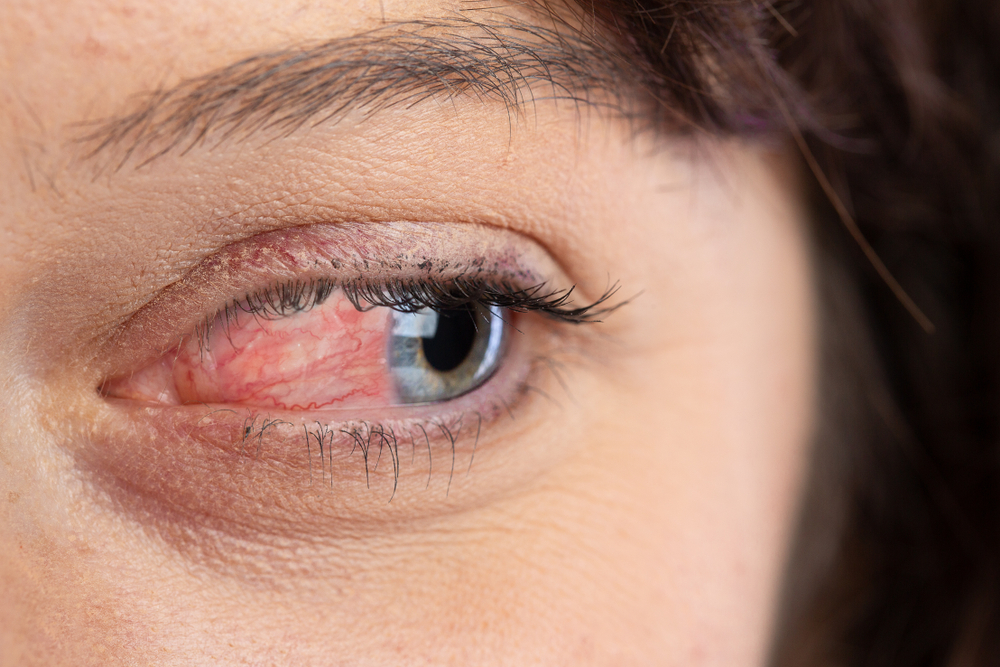
Ocular rosacea is an inflammatory eye condition that can affect the eyelids, tear film, and surface of the eyes. It is often connected to rosacea on the skin, but some patients notice eye symptoms before they ever receive a skin diagnosis. Common concerns include redness, burning, watering, gritty eyes, light sensitivity, and recurring irritation around the eyelids. At Lone Star Vision, we evaluate ocular rosacea as part of a broader eye health and dry eye assessment because inflammation often plays a major role in ongoing symptoms. Ocular rosacea can affect the meibomian glands, which are the tiny oil glands along the eyelids. These glands help keep the tear film stable by producing the oil layer of your tears. When the glands become inflamed or clogged, tears may evaporate too quickly, leading to dry eye symptoms even if your eyes water often. This is why many patients with ocular rosacea feel like artificial tears only help for a short time. Drops may provide temporary comfort, but they do not always address the inflammation or gland dysfunction contributing to the problem. OptiLight is an advanced light-based treatment designed to help manage dry eye symptoms associated with meibomian gland dysfunction. For patients with ocular rosacea, OptiLight may help calm inflammation around the eyes and support healthier gland function. The treatment uses precise pulses of light applied to targeted areas around the eyes. By addressing inflammation and supporting the oil glands, OptiLight can help improve tear film quality and reduce the irritation linked to ocular rosacea. OptiLight may be recommended when ocular rosacea symptoms are persistent, recurring, or connected to dry eye and eyelid inflammation. During your evaluation, we look at your symptoms, tear film, eyelids, and gland health to determine whether this treatment fits your needs. Patients may benefit from an evaluation if they experience: Ocular rosacea is not always managed well with a one-size-fits-all approach. We focus on finding the source of your symptoms so we can recommend care that supports long-term comfort, not just short-term relief. OptiLight may be part of a broader treatment plan that can include eyelid care, lifestyle guidance, prescription eye drops, or other dry eye therapies. The goal is to help reduce inflammation, improve tear stability, and make your eyes feel more comfortable throughout the day. OptiLight treatments are performed in-office and are typically quick. Before treatment begins, we review your eye health, explain what to expect, and make sure the area is properly prepared. Most patients can return to normal daily activities after their visit. Because ocular rosacea is often chronic, consistent care matters. We will guide you through the recommended treatment schedule and discuss maintenance options based on how your eyes respond. At Lone Star Vision, we take the time to understand what is causing your discomfort before recommending treatment. Our team uses advanced technology and personalized care to help patients with dry eye, ocular rosacea, and related inflammatory eye concerns find options that make sense for their daily lives. To learn more about OptiLight for ocular rosacea, contact Lone Star Vision in Plano, TX by calling (972) 378-4104 or Celina, TX by calling (972) 382-2020.
Why Ocular Rosacea Can Cause Dry Eye
What OptiLight Does
Signs OptiLight May Help
A More Targeted Approach To Dry Eye Care
What To Expect During Treatment
Why Choose Lone Star Vision
Powered by
