


Address:
5044 Tennyson Rd, Suite B
Plano, TX 75024


Help Your Child See Clearly This School Year With Myopia Management
Help Your Child See Clearly This School Year With Myopia Management
Clear distance vision is important when children return to the classroom. They need to see the board, recognize details across the room, participate in sports, and move confidently through their school day. For children with myopia, these everyday activities may become more difficult as their vision changes. Myopia management in Plano gives families a proactive way to address nearsightedness rather than simply updating to stronger glasses each year.
Understanding Childhood Myopia
Myopia, also called nearsightedness, causes distant objects to appear blurry while close-up vision usually remains clear. It often develops during childhood and may continue progressing as the eyes grow.
Standard glasses can help a child see clearly, but they do not always address continued myopia progression. A personalized myopia management plan is designed to provide clear vision while helping slow future prescription changes.
Signs Your Child May Be Nearsighted
Children do not always recognize or explain that their distance vision has changed. Parents and teachers may notice certain behaviors before a child reports blurry vision.
Common signs of childhood myopia include:
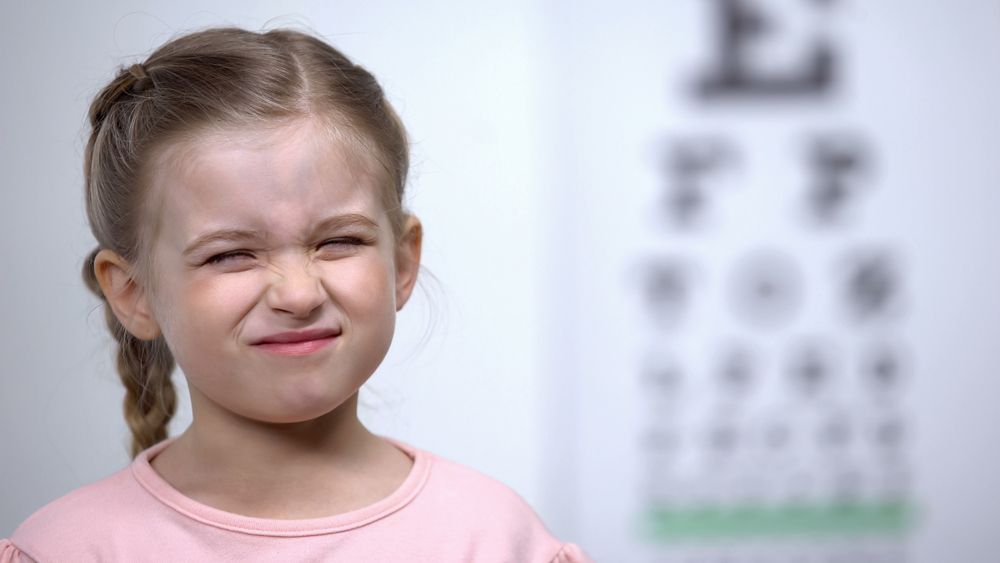
• Squinting to see the classroom board
• Sitting close to the television
• Holding tablets or books near the face
• Complaining of headaches or tired eyes
• Struggling to recognize people or objects from a distance
• Needing stronger glasses at frequent eye exams
A comprehensive eye exam in Plano can determine whether these symptoms are related to myopia or another vision concern.
Why Myopia Management Matters for School
Clear vision supports reading, classroom participation, sports, and confidence. When a child cannot see clearly across the room, they may miss instructions, avoid certain activities, or appear distracted.
Myopia management also focuses on long-term eye health. Progressive myopia occurs as the eye grows longer than expected, which may increase the likelihood of certain eye health concerns later in life. Starting care early provides more opportunity to monitor changes and respond with an appropriate treatment plan.
Personalized Myopia Control Options
Myopia management is not the same for every child. An optometrist will consider the child’s age, prescription, eye development, daily routine, and comfort with contact lenses.
Depending on the exam findings, treatment may include options such as Ortho-K lenses, MiSight contact lenses, low-dose atropine eye drops, or another personalized approach. Regular follow-up visits allow the optometrist to track progression and adjust treatment when necessary. Lone Star Vision’s website identifies Ortho-K, MiSight, and myopia management among its available eye care resources.
Supporting Healthy Vision at Home
Parents can support their child’s treatment by encouraging regular outdoor time, comfortable reading distances, proper lighting, and breaks during extended screen use. These habits work best alongside professional eye exams and consistent follow-up care.
Schedule a myopia management consultation with Lone Star Vision to learn more about personalized treatment options for your child. Visit our office in Plano, TX, by calling (972) 378-4104 today.
Powered by
